PLC (Programmable Logic Controller) and CNC (Computer Numerical Control) are two control systems used in industrial automation, but they differ in their functions and application areas.
Definition and Function
- PLC (Programmable Logic Controller): PLC is a general-purpose industrial control system used for automated operations. It can control the operation of various devices such as conveyors, motors, sensors and other mechanical devices through programmed logic. The core function of PLC is to control discrete input and output devices and perform simple switching logic, timing, counting and other tasks.
- CNC (Computer Numerical Control System): CNC is a system specifically used to control machine tools and processing equipment, such as milling machines, lathes, laser cutters and polishers. CNC systems control the movement and processing of machines through pre-programmed code instructions (usually G codes and M codes). Its core function is to accurately control the movement and position of equipment to perform complex cutting, forming and processing tasks.
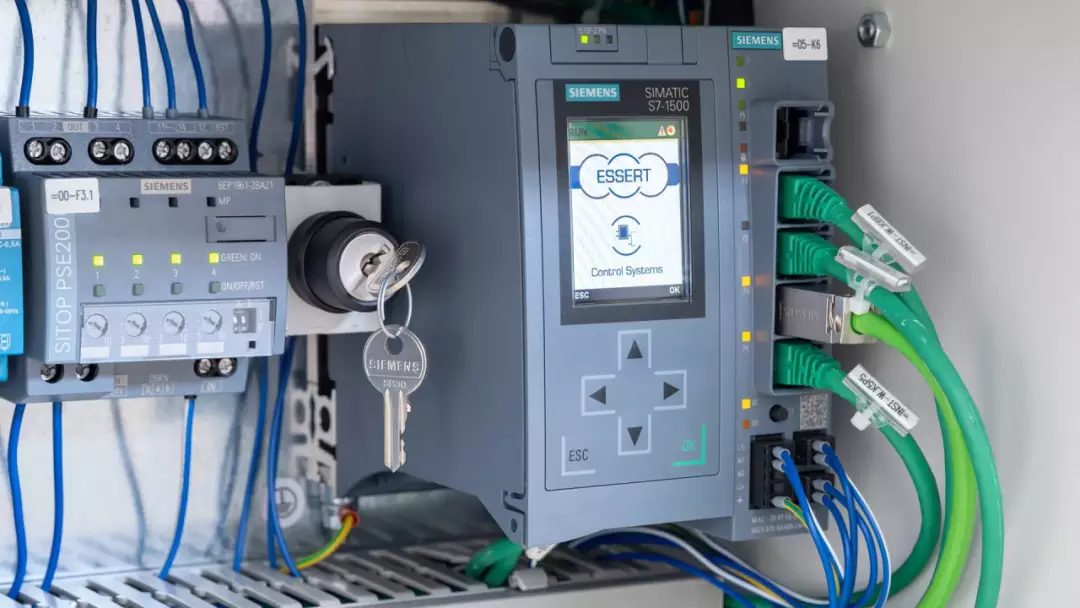
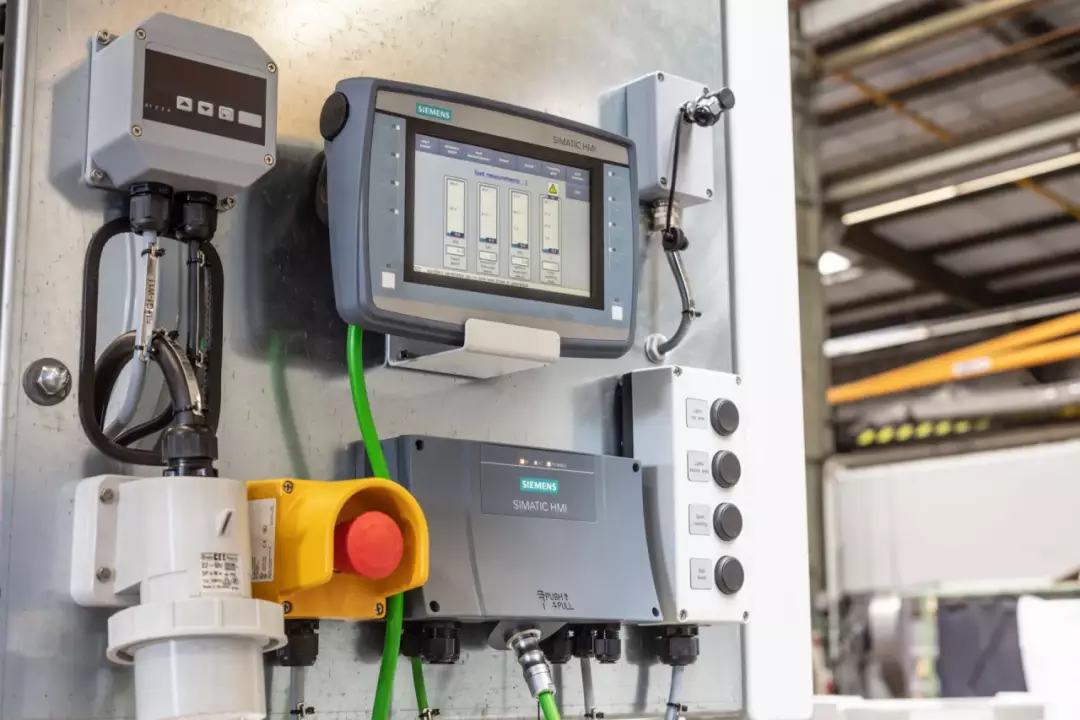
(Siemens PLC control cabinet real scene)
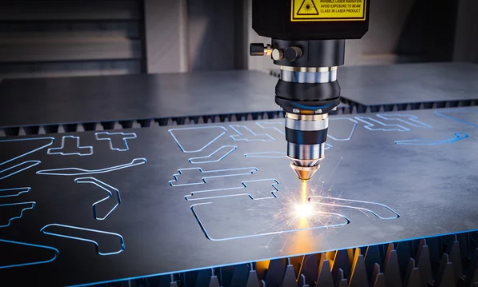
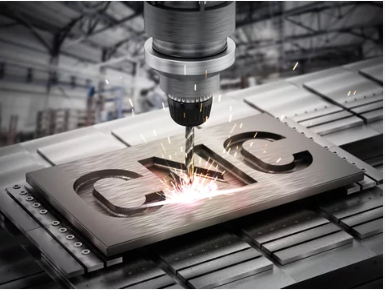
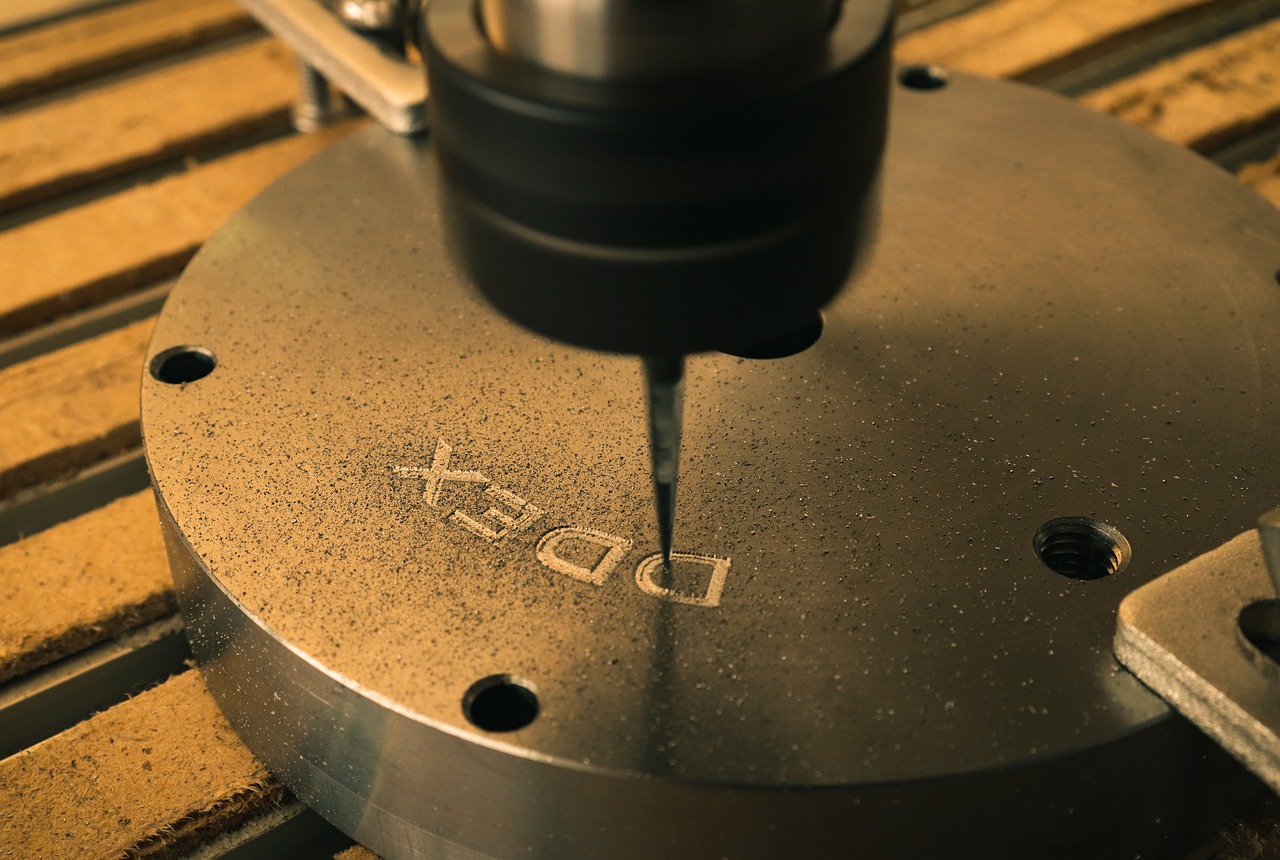
(CNC machine cutting)
Main applications
- PLC applications: PLC is mainly used in factory automation, assembly line control, packaging equipment, filling systems, logistics handling and other scenarios. PLC tasks usually include controlling the start and stop of equipment, monitoring sensor status, and performing simple logical operations.
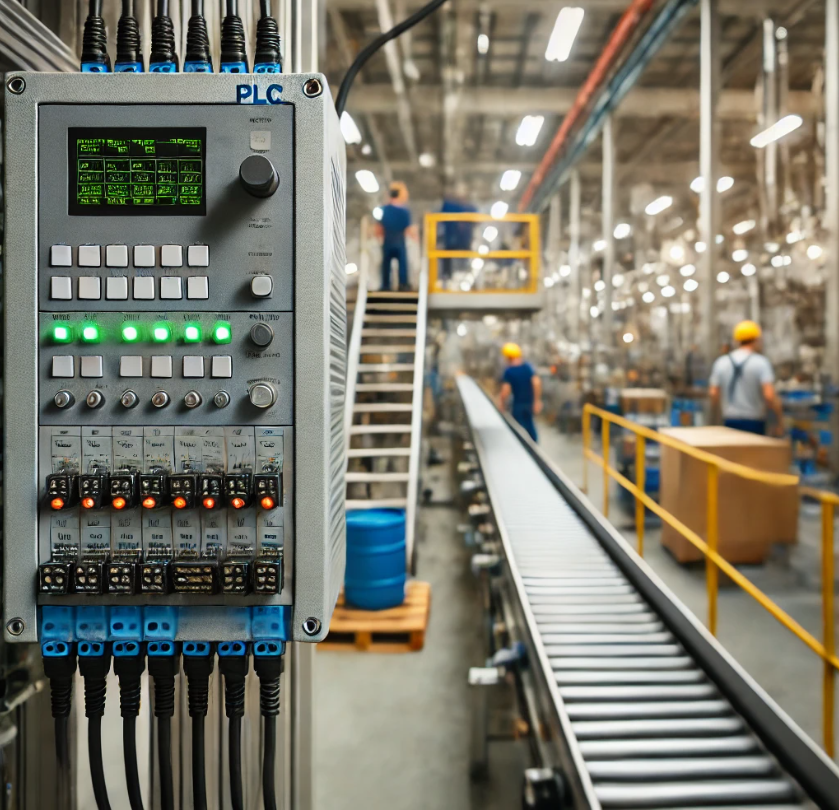
- CNC applications: CNC is widely used in machining in the manufacturing industry, such as turning, milling, drilling and cutting and other precision machining operations. The main task of CNC is to control the tool movement path, speed and cutting depth of the machine tool.
Programming language and control method
- PLC programming: PLC programming languages are usually ladder logic, function block diagram (FBD), structured text (ST), sequential function chart (SFC), etc. Programming is relatively simple and is mainly based on logical control.
- CNC programming: CNC programming uses G code and M code, which directly instruct the machine tool how to operate, such as moving to a specific position, starting and stopping the spindle, changing tools, etc. The programming complexity is high and requires detailed processing paths and process planning.
Working principle
- PLC working principle: PLC performs predetermined logical operations based on input signals (such as sensors and switches) to control output devices (such as motors and valves). Its processing process is cyclical and usually includes input scanning, logical operations and output control.
- CNC working principle: CNC reads pre-programmed G code, converts the code into specific mechanical movement, and controls the tool, table, spindle, etc. of the machine tool for precise movement. Its workflow includes loading programs, interpreting codes, motion control, processing operations, etc.
Summary
PLC is suitable for controlling various types of automation equipment and processes in the factory, with an emphasis on logic control and coordination between equipment. CNC is used for precision machining, focusing on controlling the movement and path of machine tools to perform specific machining tasks. In simple terms,
PLC focuses on controlling "whether to switch" and "logic flow", while CNC focuses more on "how to move" and "precision machining".
